NewsThe silent suffering of Fariha
On 11 February 2026, Fariha (a pseudonym) was found hanging in her home. She was 20 years old and nearly blind. For months, she had tried to escape a marriage defined by violence and fear. Yet her parents chose family honor over their daughter’s safety.
Fariha’s eyesight had been deteriorating for years, increasing her dependence on others. When a man from the neighborhood expressed interest in marrying her, her parents quickly agreed, despite his troubled past.
In Bangladesh, a deeply rooted superstition persists: marriage is believed to cure disability. Beneath this belief lies a harsher reality—that a girl with a disability, and her family, should feel grateful if any man is willing to marry her at all.
Abuse and Isolation
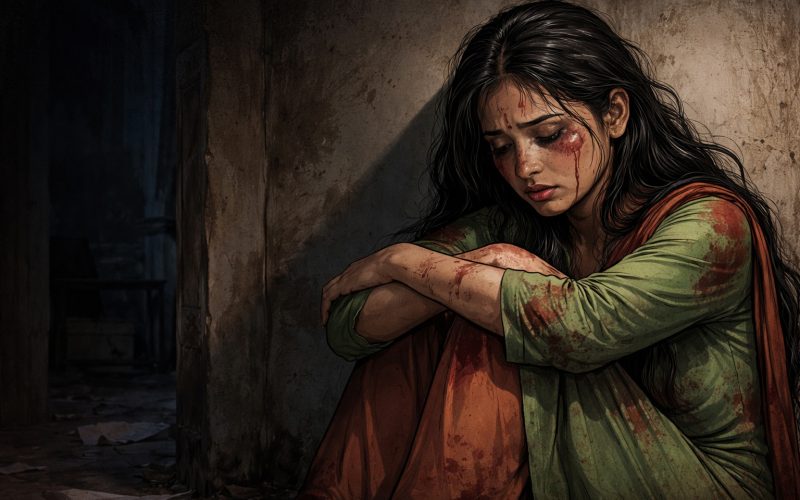
Soon after the wedding, the man’s true nature emerged. Fariha’s husband was addicted to drugs and gambling, unpredictable and aggressive. She was beaten and raped daily, living in constant fear. Within three months, she was hospitalized due to the abuse.
Girls with disabilities are especially vulnerable—they often cannot protect themselves physically or mentally. In Fariha’s case, her visual impairment made the attacks even more terrifying: she could not see them coming or defend herself.
Desperate to escape, Fariha begged her parents to allow a divorce and to return home. To prove she could support herself, she secured a job. Her parents refused. Family reputation outweighed their daughter’s safety. Divorce would bring “shame.” She was sent back to her husband and told to stay silent.
But Fariha did not remain silent. She went to the police, approached multiple NGOs, and told her story repeatedly, hoping someone would intervene. Without her parents’ support—still essential in practice—nothing could be done.
A System That Fails
Subjected to daily abuse, isolated and without family support, Fariha saw no way out. On 11 February 2026, she ended her life.
She was not only a victim of her husband. She was a victim of a system that consistently fails girls with disabilities: families that prioritize honor over safety, communities that normalize abuse, and institutions that are inaccessible or ineffective without familial backing.
Fariha’s story is not an isolated tragedy. Violence against girls and young women with disabilities in Bangladesh is widespread and systematic. Research by the NGO Niketan found that 83% of girls with disabilities aged 12 to 25 have experienced abuse:
63% verbal abuse, including humiliation and scolding by neighbors or community members
38% sexual abuse, including rape and unwanted touching, often by male relatives outside the immediate household
23% physical abuse, most often inflicted by mothers
Girls with disabilities are often seen as a burden or cursed. Forced and early marriage remains common due to the superstition that marriage will “cure” the disability—often to men who are old, poor, violent, addicted, or disabled themselves.
When asked what they need most, these girls do not ask for pity or charity. They ask for education, work, and a safe place to live. Bangladesh has made economic progress, but this remains incomplete as long as the rights of girls and women—with and without disabilities—are not protected.
Fariha’s death was preventable. Her story is a urgent call to action: society, policymakers, and families must protect the rights of girls with disabilities, ensure their safety, and respect their dignity and autonomy.