NewsStudy on the Wellbeing of Young Women with Disabilities in Manikganj
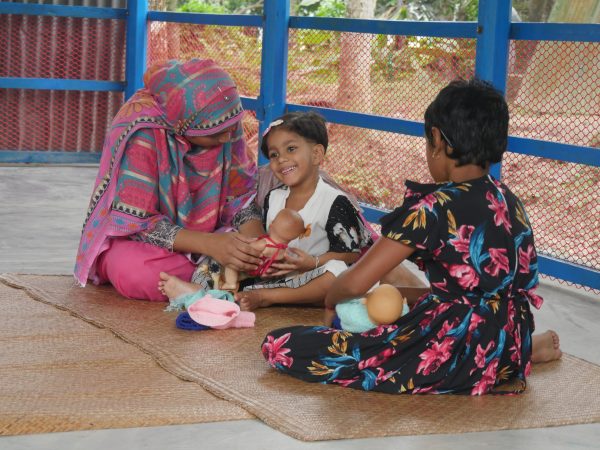
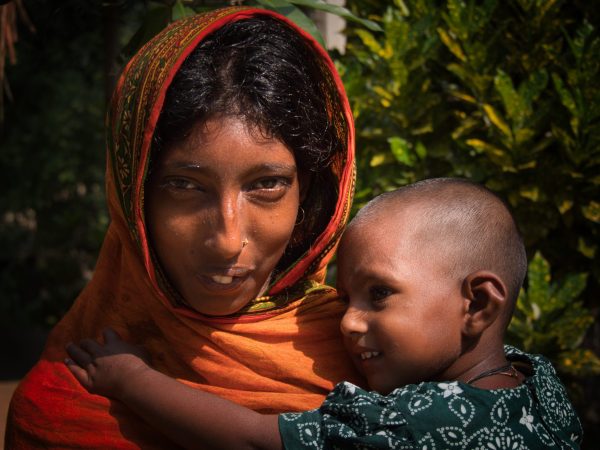
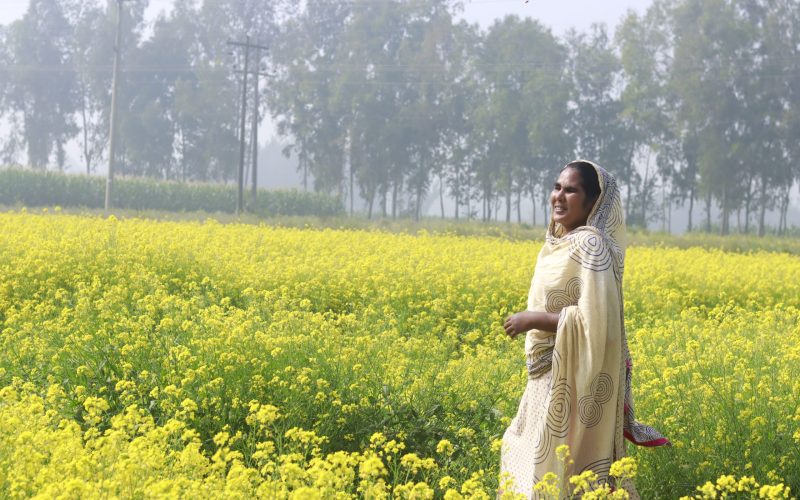
Today, on the International Day of Persons with Disabilities, we are publishing a small-scale qualitative study focusing on the wellbeing, experiences of violence, and needs of girls and young women with disabilities in Manikganj, Bangladesh. The study, conducted in October 2025, consisted of oral interviews with 40 participants aged 12 to 25 (average age: 18) with intellectual, physical, and visual disabilities, along with their trusted caregivers.
Key findings:
- Wellbeing: Wellbeing varied across most domains, except for economic wellbeing. Mental, social, physical, and autonomy-related experiences were roughly evenly divided between positive and negative feelings. On average, participants rated their wellbeing at 9 out of 5 (1 = very poor, 5 = very good).
- Factors contributing to good wellbeing: A caring family, autonomy, friendships, and not being exposed to violence were strongly associated with positive wellbeing.
- Factors contributing to stress and sadness: Violence, the nature of the girls’ and young women’s disabilities, health problems, and financial stress were major causes of tension, sadness, and anger.
Experiences of violence:
- 83% of participants reported experiencing some form of violence.
- Emotional/verbal violence (63%) was the most common, often perpetrated by neighbours and other villagers.
- Sexual violence (38%) was mainly committed by male family members (but not immediate household members).
- Physical violence (23%), such as hitting, was mostly perpetrated by mothers.
Needs and aspirations:
Participants expressed a strong need for employment and education to gain independence, respect, and a sense of purpose. In addition, several girls urgently need a safe place to live.
Recommendations:
- Explore additional employment opportunities.
- Provide or refer to safe housing.
- Offer conditional support to families struggling to afford education.
- Use community groups to increase awareness of verbal violence, such as name-calling, and address it.
- Explore collaboration with legal aid organisations, for instance after incidents of sexual violence.
- Develop clear procedures for responding to violence.
- Conduct a similar study for boys.
Read the full research report here.