NewsFrom good will to genuine inclusion: Making Union Parishads accessible in Bangladesh
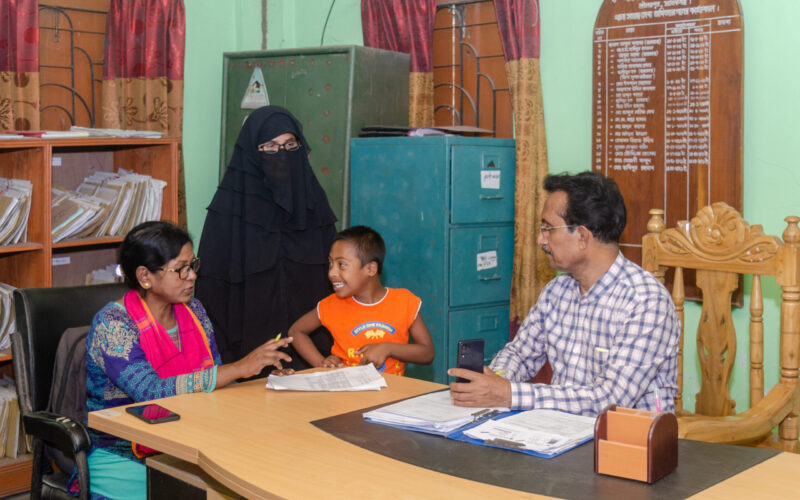
For persons with disabilities in rural Bangladesh, local government bodies—known as Union Parishads (UPs)—are frequently the primary and only gateway to essential services, including disability allowances, medical identification, and disaster relief. But how inclusive are these local councils in practice?
A recent field study by the Disabled Rehabilitation and Research Association (DRRA), supported by the Niketan Foundation, explores these questions across twelve Union Parishads in three districts.
The Gap Between Will and Institutional Capacity
The research report titled ‘How to Help Union Parishads Becoming More Inclusive’ reveals a striking paradox. Local leaders, including Chairmen and committee members, express near-unanimous moral commitment to supporting persons with disabilities. Yet, this goodwill is persistently undermined by structural and budgetary constraints.
Most UPs lack dedicated budgets for disability inclusion, causing support to rely heavily on ad-hoc charity and personal discretion rather than guaranteed legal rights. As one respondent noted: “We try to help from our place, because disabled people are helpless people.” This paternalistic charity model contrasts sharply with the rights-based approach enshrined in the CRPD and Bangladesh’s Disability Rights Act of 2013.
Key Findings from the Study:
- Low Legal Awareness: The Rights and Protection of Persons with Disabilities Act, 2013 remains largely unknown among local representatives.
- Physical and Communication Barriers: While ramps are increasingly common, accessible toilets are almost universally absent, and no location possesses sign-language capacity.
- Reactive Disaster Preparedness: Audio warnings via loudspeakers fail to reach deaf citizens, and evacuation shelters often lack accessible facilities.
The Catalytic Role of NGO Engagement
The study also uncovers inspiring exceptions. In unions where there has been sustained engagement with civil society organizations like DRRA, pioneering initiatives are taking shape. Examples include dedicated disability help desks, ring-fenced budget lines, structured vocational training pipelines, and innovative household-flagging protocols for emergency evacuations.
The researchers conclude that sustained NGO engagement is the single most consistent predictor of rights-oriented local service delivery.
Towards a Practical Digital Learning Module
To bridge these capacity gaps, DRRA and Niketan are developing a targeted digital learning module for local leaders. Findings show strong enthusiasm among officials, provided the module accommodates rural constraints such as unreliable mobile internet and limited time availability. Three core topics form the absolute priority for development:
- Guidelines for Inclusive Service Delivery: Practical step-by-step instructions for identification, registration, and support.
- Disability Rights and Legal Entitlements: Translating legislative frameworks into everyday local practice.
- Government Services and Application Procedures: A clear directory of available benefits and application procedures.
Through this research and upcoming digital training tools, Niketan and DRRA are taking a major step forward—listening directly to local leaders to transform good intentions into lasting, rights-based inclusion for all citizens in rural Bangladesh.
Read the full research report