NewsNew insights into marriage
Speaking of marriage: when awareness changes lives
“You see a grown-up, but inside, they’re still a child that’s unable to do many things or has never learned to do them.”
With these apt words, a mother summed up what many parents discovered during our new training on disability, sexuality and marriage.
Marriage and young people with disabilities in Bangladesh
In Bangladesh, marriage is often seen as a natural step in life. Many parents of young people with disabilities also hope that marriage will bring their child happiness, protection and a better future. But is that always in the child’s best interest?
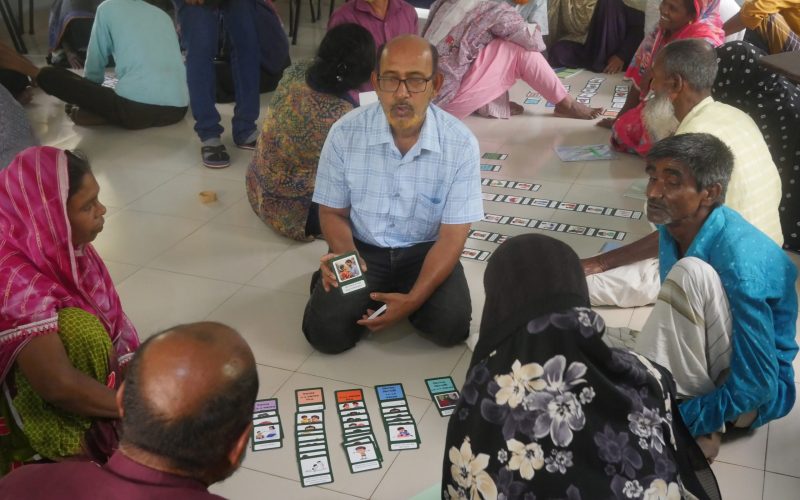
To support parents in navigating this difficult question, Niketan has developed new training on disability, sexuality and marriage. Ten sets of parents of young people with disabilities participated in the first two-day training.
Parents think about their child’s future
At the start, nine of the ten sets of parents indicated that they wanted to arrange a marriage for their son or daughter. Through interactive exercises, open discussions and real-life examples, parents were challenged to reflect on their child’s development, independence and future prospects.
For many parents, this was an eye-opener. They discovered that their children often lacked the independence needed to shoulder the responsibilities of marriage. They also gained a better understanding of the risks of forced marriages and their impact on the well-being of young people with disabilities.
The training led to a striking change: by the end of it, only three sets of parents remained convinced that their child should marry in the future.
Preventing forced marriages and empowering parents
In addition to raising awareness, the training created space to consider alternative visions for the future. Parents spoke about their dreams for their children, such as owning a home, financial security, employment or a safe place to live. Not marriage as a solution, but a future in which their child can grow up with dignity and as independently as possible.
Through this training, we are taking an important step in preventing forced marriages, abuse and violence. At the same time, we are helping parents look toward their child’s future with greater knowledge, understanding and confidence.
Thanks to the support of our donors, we are able to offer this training to more parents and communities in the coming period.
Read the story of Antora and Muhibur, who were married off to each other.